Doosan Diesel Generators, Compressors, Sump Pumps & Transport: A Cost-Focused FAQ
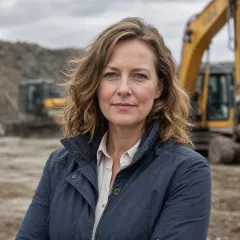
I'm the procurement manager at a 200-person construction company. I manage our equipment budget—about $600,000 a year—and I've documented every order in our cost tracking system for six years. If you're searching for generadores diesel doosan or a Doosan diesel compressor, these are the questions I wish I'd asked before my first big purchase.
This isn't a sales pitch. It's the checklist I share with our project superintendents and rental fleet team.
Doosan Diesel Generators: What I Check First
1. Are Doosan diesel generators reliable enough for backup power?
In my experience, yes—but reliability is only half the equation. The 'generadores diesel doosan' search term usually points to the same Doosan generator line we use in our fleet. We run a 20 kW and a 60 kW unit. Both have started when needed. What I check now is the service network, not just the engine badge. What I mean is, a generator with perfect specs is still a paperweight if the nearest dealer can't get a controller board quickly. We learned that after waiting 11 days for a part. Not terrible. Not great either.
2. What size generator do I need for a sump pump and other essentials?
In my experience, sump pumps trip up more buyers than any other load. The running watts look small, but the startup surge can be two to three times higher. I size critical loads and add at least 25% headroom. For a sump pump, don't trust the printed watts alone. Check the pump nameplate, use a clamp meter, and test under load. One of our old sites had a 1/2 HP pump that tripped a small generator every time it cycled. We switched to a Doosan generator with more surge capacity. Problem solved. The extra cost? Under 10%. The downtime saved? Worth far more.
3. What should I check before buying a Doosan diesel compressor?
Anyone selling a compressor will start with CFM and pressure. I start there too, but then I dig into oil carryover, fuel tank size, service access, and noise. (Noise is a real cost when you're working near occupied buildings.) We bought a mid-range portable compressor for a rental-fleet expansion. It cost about 15% more than the basic model, but the larger fuel tank and swing-out service doors cut maintenance time noticeably. Per FTC guidelines (ftc.gov), sellers have to substantiate performance claims. So if a quote says 'low maintenance,' ask for the service interval schedule and parts warranty in writing. The brochure wording isn't enough.
Transport and Odd Queries
4. Can I move a compact excavator on a flatbed truck?
Flatbed trucks can work for compact equipment and crated generators. For heavier excavators, a lowboy or step-deck trailer is usually the safer answer because the deck is lower. We moved a 9,000 lb skid steer on a flatbed once. I assumed the trailer's straps were enough. They weren't. We had to re-rig, lost half a day, and now I keep a checklist: verified weight, tiedown points, chains, binders, cribbing, and the driver's license class. If you're renting a flatbed, ask whether the rated capacity includes the trailer's own weight. That matters more than most people think. Flatbed isn't the enemy. Assumptions are.
5. Crane vs heron—does that matter for equipment buyers?
Honestly, no. A construction crane is a lifting machine; a heron is a bird. If you're asking about the actual birds, the easiest field clue is flight: a crane flies with its neck straight out, while a heron pulls its neck back into an S shape. Cranes are loud, social, and often feed in open fields; herons are quieter and usually found near water. Neither one affects your equipment budget. But the fact that this term shows up in equipment-related searches is a useful warning: names get reused across industries. When I started in procurement, I assumed 'crane' meant one thing. Then a vendor quoted a crane when I asked for a 'gantry.' Two different machines. Two very different costs. If a term can mean two things, define it in writing before you sign.
Total Cost, Not Sticker Price
6. Is the lowest-priced Doosan equipment the best value?
Not usually. The way I see it, price is one line in a total cost equation. For a recent compressor purchase, we compared three quotes. The lowest was $18,500. The second was $21,900. I almost signed the first one before checking the accessory list. The first quote excluded the aftercooler package and remote start, both of which we needed. Add those, and the gap was only $400. The surprise wasn't the price difference. It was how easily the math got hidden in fine print.
After tracking 300+ orders over six years, I can count at least a dozen projects where the cheapest quote became the most expensive. Why? Shipping, missing parts, longer lead times, weaker dealer support, or a repair in year two. That doesn't mean always buy premium. It means compare line by line: specs, included parts, local dealer support, and resale value. The lowest quote can win. It just has to show its work.
7. Where should I buy Doosan parts for a generator or compressor?
Use the dealer locator on the Doosan website first, then cross-check part numbers against the OEM manual. We bought 'original' filters from an online marketplace once. One looked right but didn't fit. The seller accepted the return, but we still ate the shipping cost and restocking fee. My cost tracking system flagged it immediately. A process gap, plain and simple. The third time a wrong part showed up, I finally built an order verification checklist for our team. It takes five minutes. It saves days. Now the rule is: verify, order, install. In that order.
8. Should I buy new or used Doosan equipment?
That depends on how much risk you can carry. Used equipment is rarely 'cheaper' if it needs major repairs in the first year. I've seen a used compressor with 4,000 hours sell at a great price, then require a $2,800 coolant leak repair two months later. That's not a reason to avoid used. It's a reason to pay for a third-party inspection and check service history before signing. If the seller won't share maintenance records, I walk away. Personally, I'd rather buy a lower-hour generator with documented maintenance than a newer model with no service log.
One caveat: my experience is based on mid-sized construction companies and rental fleets. If you're managing a huge mining site or a municipal water department, your purchase process will look different. Use the same questions. Just bring your own numbers.
Lowest quote does not equal lowest cost.
Charlotte Avery
Charlotte Avery is an earth-moving machinery analyst covering excavators, mini excavators, loaders, skid steers, dozers, graders, compactors, and attachments. She uses ISO 6165 machine classification and ISO 20474-1 safety requirements while examining operating mass, rated payload, breakout force, ground pressure, stability, visibility, guarding, and attachment compatibility. Her work helps contractors and fleet buyers match machine size, undercarriage, transport limits, and protective features to terrain, duty cycle, and jobsite access.